
Hail or Wind Damaged Gutters in Katy: What to Do First
A severe Texas thunderstorm just swept through Katy. Here is a practical, step-by-step contractor guide to inspecting hail dimples, securing loose sections, and documenting claims for your insurance adjuster.
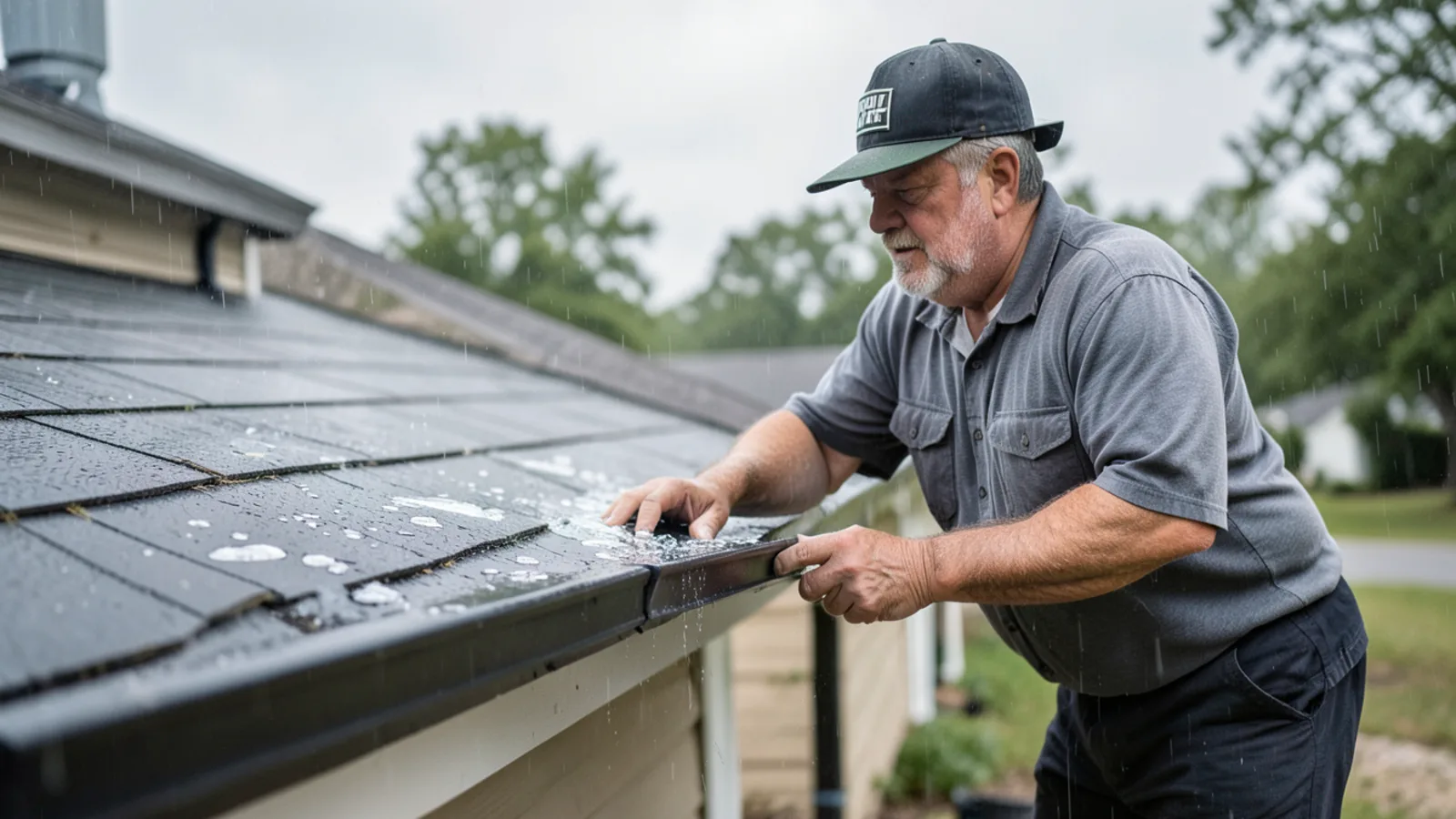
If hail or high winds have struck your Katy home, immediately inspect from the ground for hanging sections that threaten windows or walkways. Do not climb ladders onto slick metal roof eaves during storm aftermath. Photograph hail dimples along outer gutter faces, chalk impact craters, document loose hangers pulled from the fascia, and request a professional written gutter inspection before filing your insurance claim.
- •Emergency Ground Safety Sweep Following Severe Katy Thunderstorms
- •How to Inspect Subtle Hail Dimples and Metal Deformities on Eaves
- •Step-by-Step Documentation Protocol for Texas Insurance Adjusters
- •Contractor Guide: Repairing vs Replacing Storm-Damaged Seamless Runs
- •Expert Trade-Offs: Insurance Scope Reconciliation and Metal Integrity
- •Frequently Asked Questions
Emergency Ground Safety Sweep Following Severe Katy Thunderstorms
Severe convective storms across Katy, Cypress, and West Houston frequently generate quarter-to-golf-ball-sized hail accompanied by straight-line winds exceeding 55 to 65 mph. Before pulling out a ladder to inspect high eaves, property owners must conduct a disciplined, ground-level safety sweep to eliminate falling hazards.
High wind gusts generate intense uplift underneath roof overhangs. This negative pressure frequently shears loose aluminum fasteners, leaving 30-to-40-foot continuous gutter runs dangling by a single screw. Never walk directly beneath sagging or detached gutter troughs, particularly when post-frontal breezes persist. If an eave section has partially detached over an active driveway, main walkway, or exterior air conditioning condenser, keep family members and pets indoors.
Our Katy dispatch crews treat hanging gutter runs as urgent safety emergencies. Technicians arrive in fully stocked mobile service trucks equipped with extension ladders, standoff brackets, and mechanical cutters to temporarily stabilize or safely take down damaged runs before structural framing or parked vehicles sustain collateral impact.
Need Help with Your Katy Gutter Project?
Call our local technicians at (855) 633-0442 for free on-site advice, measurements, and written estimates.
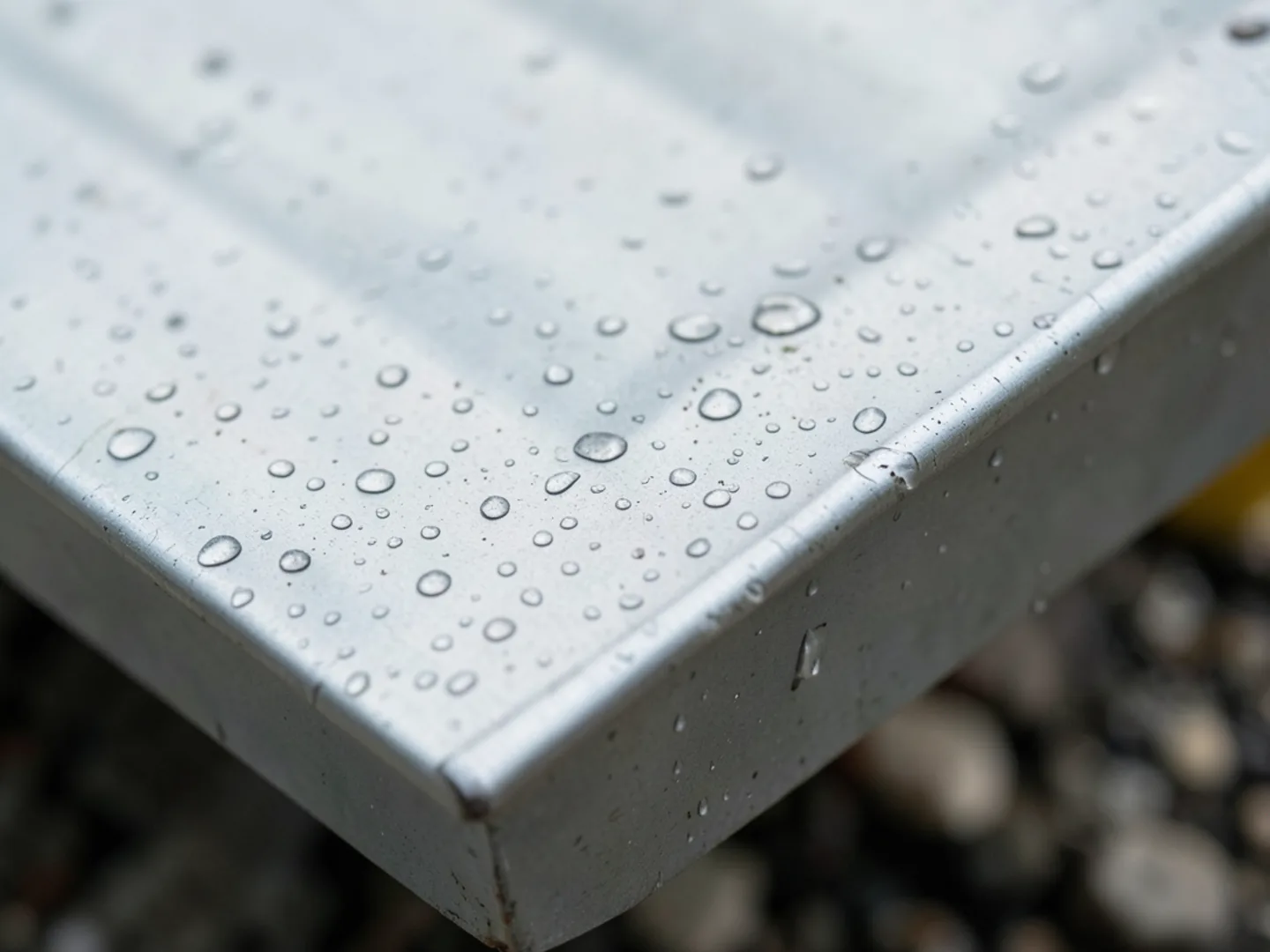
How to Inspect Subtle Hail Dimples and Metal Deformities on Eaves
Hailstones strike aluminum gutter surfaces at high terminal velocities, often exceeding 70 mph for one-inch diameter stones. While large hailstones leave unmistakable jagged craters, moderate hail strikes can appear surprisingly faint from ground level. Over time, however, even subtle indentations disrupt internal water velocity, collect heavy mineral shingle granules, and compromise factory enamel coatings.
To evaluate gutters accurately, inspect the eaves when direct sunlight strikes at an oblique angle—typically between 8:00 AM and 10:00 AM or late in the afternoon. Look for these four specific indicators of storm impact:
Circular Dimples Along the Outer Face and Bottom Trough
Inspect the vertical K-style face, the bottom trough, and the bottom curved return bead. Hail strikes produce circular, ovular, or teardrop-shaped indentations where stones crushed the aluminum coil. In insurance documentation, adjusters evaluate strike density—typically recording how many distinct impacts occur per 10-foot linear section.
Run your fingertips gently along the bottom exterior edge of the gutter. Indentations that may be difficult to photograph in flat midday light can easily be identified by tactile inspection.
Bruised, Chipped, or Spun Enamel Paint
High-energy hail strikes crush factory baked-on enamel paint coatings. Micro-fissures in the paint expose the raw aluminum core beneath to ambient moisture and corrosive organic acids from decaying leaves.
Look also for circular 'spatter marks' where hailstones scrubbed away surface atmospheric oxidation, pollen film, or light algae. While spatter marks alone do not always indicate functional metal failure, they provide undeniable directional proof of hail size and fall trajectory for insurance adjusters.
Dented Downspouts and Crushed Elbow Connections
Vertical downspouts usually face the windward direction of incoming convective squall lines along the I-10 corridor. Examine downspout corners, straps, and curved A-elbow and B-elbow fittings.
A crushed downspout elbow significantly restricts internal hydraulic flow. During subsequent 3-inch-per-hour Gulf downpours, restricted downspouts cause water to back up into the gutter trough, leading to overflow along roof fascia boards.
Step-by-Step Documentation Protocol for Texas Insurance Adjusters
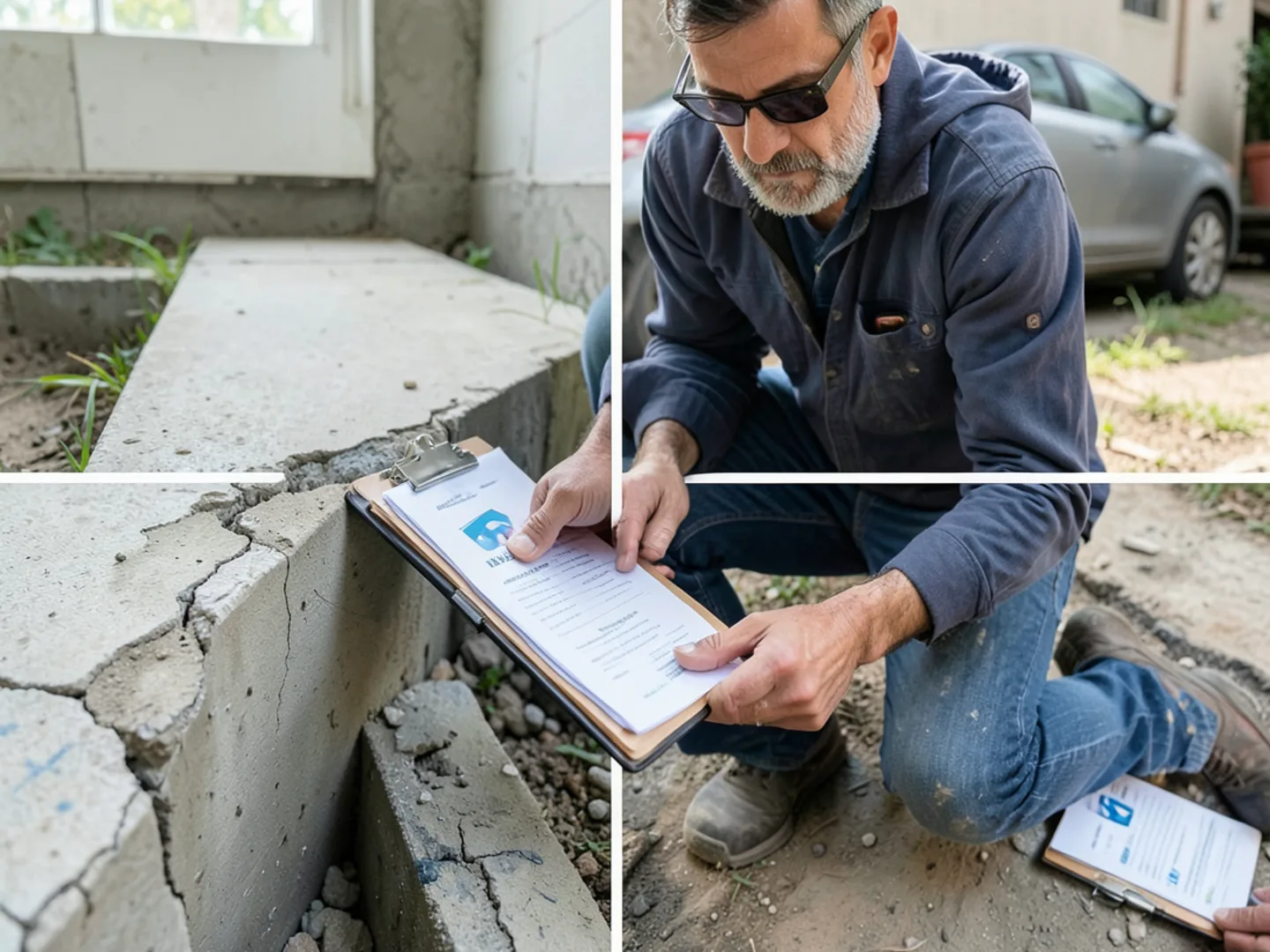
Standard Texas homeowners insurance policies cover sudden, accidental storm damage resulting from hail and wind events. However, insurance carriers enforce strict burden-of-proof requirements. Property adjusters demand clear, high-resolution photographic evidence proving that damage is storm-related rather than pre-existing wear or ladder scuffs.
Follow this contractor-approved documentation workflow before submitting your claim statement:
| Inspection Area | What to Photograph | Adjuster Verification Standard |
|---|---|---|
| Gutter Trough & Face | Chalked circles around hail strikes with a coin or diameter gauge | Proves impact size and density per 10-foot run |
| Hidden Hangers | Fasteners pulled loose from wooden subfascia | Validates structural failure caused by wind uplift loads |
| Fascia Board | Cracked, split, or rot-compromised timber behind brackets | Justifies necessary carpentry repair line items on claim |
| Downspouts & Elbows | Dents along exposed faces and crushed transitional joints | Demonstrates directional windborne hail impact |
| Ground Outlets | Crushed splash blocks or severed pop-up discharge elbows | Establishes full perimeter drainage repair requirements |
Contractor Guide: Repairing vs Replacing Storm-Damaged Seamless Runs
Homeowners often ask whether individual gutter sections can be repaired or if complete replacement is required. The answer depends on the structural integrity of the aluminum and the uniformity of the system's slope.
Minor, isolated damage—such as a single detached downspout strap, a dented ground-level elbow, or an uncreased gutter run where screws pulled free from sound fascia—can be repaired by re-anchoring hidden hangers into rafter tails and replacing localized downspout components.
However, when continuous seamless runs have sustained multiple hail dimples along their trough floors, or when wind gusts have twisted the metal beyond its elastic yield point, full replacement is the only sound engineering decision. Architectural aluminum cannot be cleanly hammered out; beating the metal with body dollies causes work-hardening, oil-canning ripples, and micro-tears that leak persistently. Furthermore, warped troughs lose their mandatory 1/4-inch slope per 10 feet, creating stagnant water pools that corrode fasteners and breed mosquitoes.
When replacement is authorized, Hydro Seamless Gutters roll-forms brand new continuous .032 gauge seamless aluminum runs directly on your driveway, matching original architectural colors while eliminating leak-prone seams.
Expert Trade-Offs: Insurance Scope Reconciliation and Metal Integrity
Navigating property claims after severe weather involves critical trade-offs between speed, cost, and long-term foundation protection. In many cases, insurance adjusters write preliminary scopes that include gutter detachment and re-setting ('R&R') rather than complete replacement. Here is why accepting an R&R scope on compromised gutters can be risky for Katy homeowners:
First, attempting to detach a 40-foot seamless aluminum gutter from a high fascia board almost inevitably bends the metal profile. Re-installing a previously distorted gutter creates unsightly wavy sightlines and misaligned miter corners. Second, older fasteners driven into existing screw holes in the subfascia lack adequate withdrawal resistance, leaving the system vulnerable to failure during the next tropical storm.
Our team assists homeowners by providing detailed, line-item contractor estimates utilizing industry-standard Xactimate pricing. We supply adjusters with digital slope measurements, linear footage tallies, and photographic proof of unrepairable metal deformation, ensuring your claim covers a complete, code-compliant seamless replacement that protects your foundation slab.
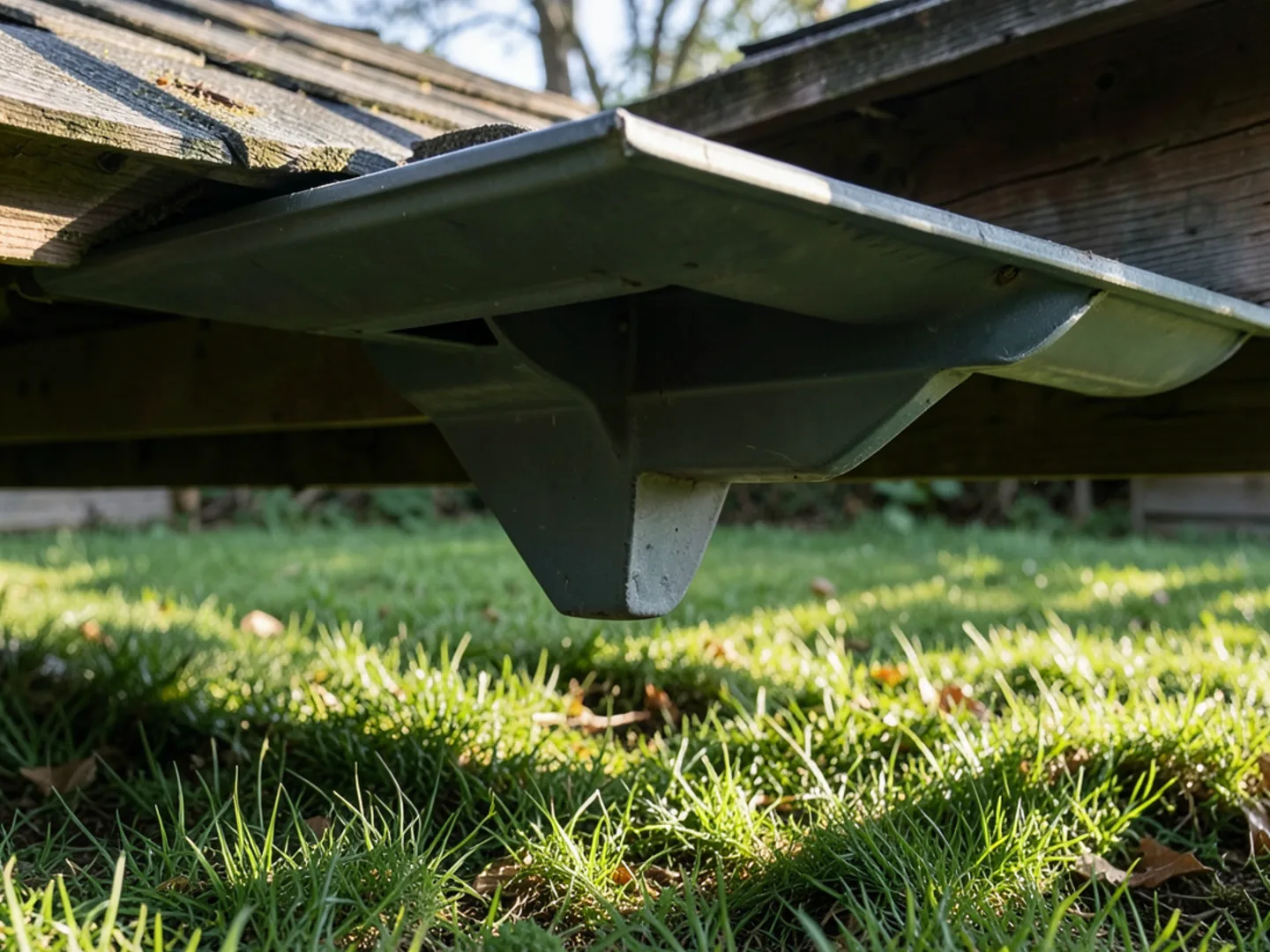
Frequently Asked Questions: Hail or Wind Damaged Gutters in Katy
Practical answers from our Katy gutter technicians and drainage specialists.
Yes. Texas homeowners policies cover hail damage that breaches the factory paint barrier or indents the metal trough. Dents create low spots that hold stagnant water and collect heavy shingle granules, compromising hydraulic performance. Adjusters routinely approve gutter replacements on verified storm claims.
Related Services & Locations
Explore our full service lineup and regional service areas referenced in this guide:
Hydro Seamless Gutters Editorial Team
Written by hands-on gutter fabricators and drainage specialists based at 21707 Kingsland Blvd in Katy, TX. Focused on practical foundation protection across Fort Bend and West Harris Counties.